How Smart Cars and Connected Gadgets Are Reinventing the Modern Road Trip
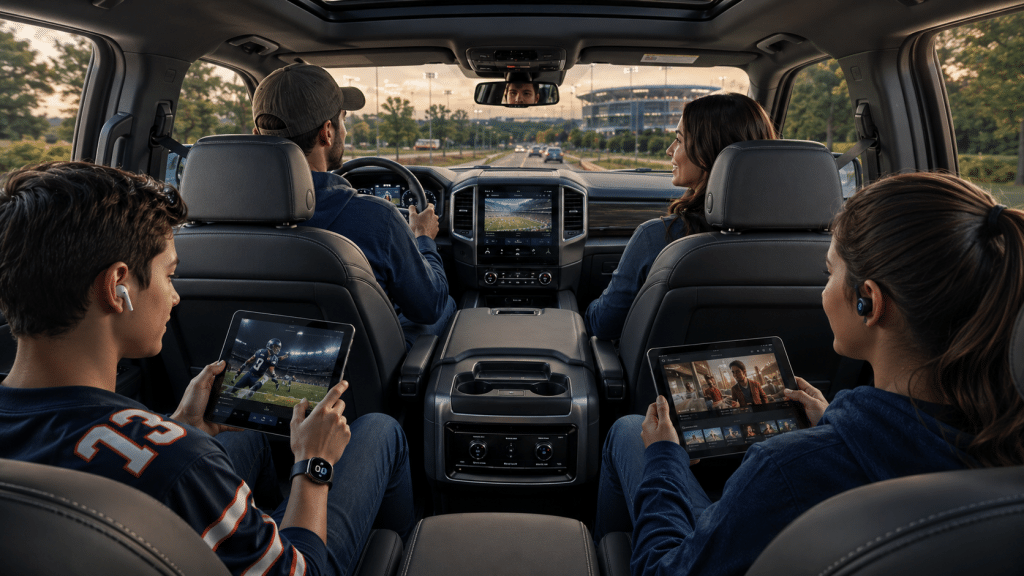
Road trips used to mean paper maps, tangled charging cables, restless passengers, and long stretches of boredom between destinations. Today, smart cars and connected gadgets are transforming those experiences into something far more interactive, efficient, and entertaining. Modern vehicles no longer operate as isolated machines. They now function as digital travel hubs connected to tablets, wearables, smart speakers, gaming devices, AI assistants, and educational technology.
That shift matters because families, professionals, and travelers increasingly expect their vehicles to support productivity, entertainment, learning, and convenience all at once. Smart cars now work alongside entire ecosystems of connected gadgets that simplify travel planning while making road trips more enjoyable for everyone inside the vehicle.
Smart Cars Have Become Mobile Digital Ecosystems
Modern smart cars now resemble connected living spaces more than traditional vehicles. Large touchscreens, cloud-connected software, Wi-Fi hotspots, wireless charging, and voice assistants allow passengers to integrate multiple devices seamlessly during travel.
This creates a very different road trip experience.
Instead of every passenger operating independently, smart cars now synchronize smartphones, tablets, smartwatches, headphones, and entertainment systems into one connected environment. Apple CarPlay and Android Auto remain central to this ecosystem because they allow drivers to access navigation, music, podcasts, messaging, and travel apps directly from the dashboard.
In practice, this reduces clutter while simplifying travel coordination.
Families can share playlists, monitor routes, send updated arrival times, and manage travel schedules without juggling multiple disconnected apps. Parents can also mirror educational apps or travel guides onto rear-seat displays for children during long drives.
That matters because smoother coordination reduces stress across the entire trip.
Many premium smart cars now include built-in Wi-Fi connectivity as well. This turns the vehicle into a rolling internet hub capable of supporting laptops, gaming systems, streaming platforms, and cloud-based learning tools.
For remote workers or hybrid professionals, the car increasingly functions as a temporary mobile office between destinations.
Tablets and Smart Displays Keep Passengers Engaged
Tablets remain one of the most valuable gadgets for modern road trips. Their role has expanded far beyond streaming movies during long drives.
Today’s connected tablets support educational travel apps, interactive maps, language learning programs, audiobooks, virtual museum tours, and augmented reality experiences tied directly to travel destinations.
For example, families driving through historic regions can use connected tablets to explore documentaries, local history lessons, or geography apps before arriving at landmarks. National parks, museums, and tourist destinations increasingly offer digital companion apps designed specifically for tablets and mobile devices.
This turns travel time into learning time.
Children can follow live route maps, explore wildlife guides, or participate in educational scavenger hunts while traveling between cities. Adults benefit as well through podcasts, destination research, and travel-planning tools integrated directly into the vehicle’s infotainment system.
Here is where smart cars create a stronger experience.
Built-in USB-C ports, wireless charging pads, rear-seat power outlets, and high-speed connectivity ensure devices remain charged and synchronized throughout the journey. Instead of constantly searching for charging adapters, travelers can maintain uninterrupted access to entertainment and learning tools.
Rear-seat smart displays also continue improving rapidly.
Vehicles from BMW, Mercedes-Benz, Lexus, and Kia now offer premium passenger screens capable of streaming content, displaying travel information, or supporting connected gaming systems.
That level of integration makes long-distance travel far more manageable for families.
Wearable Devices Add a New Layer of Travel Intelligence
Wearable technology plays a larger role in smart road trips than many travelers realize. Smartwatches, fitness trackers, and health-monitoring devices now connect directly with smart cars to improve both convenience and safety.
For example, drivers can receive navigation prompts, charging alerts, fuel reminders, and calendar notifications directly through smartwatches without reaching for smartphones.
That matters because reducing distraction improves road safety significantly.
Some wearable ecosystems also support vehicle access and remote control functions. Drivers can unlock vehicles, start climate systems, or monitor charging progress directly from a smartwatch.
During vacations, this creates a smoother travel experience around hotels, campsites, and roadside stops.
Health-focused wearables also help reduce fatigue during long drives. Smartwatches can monitor heart rate, sleep quality, hydration, and movement levels during extended travel days. Some apps even recommend rest breaks based on fatigue indicators.
This becomes especially useful during cross-country trips where driver exhaustion becomes a serious safety concern.
For families traveling with children, wearable location trackers also provide added peace of mind in crowded tourist destinations or rest areas.
Portable Smart Projectors Are Changing Nighttime Travel
Portable smart projectors have become one of the most interesting road-trip gadgets in recent years. Compact projectors now allow travelers to create outdoor movie setups almost anywhere.
Families camping beside national parks or staying at roadside cabins can project movies, documentaries, educational videos, or travel slideshows onto portable screens or even tent walls.
That transforms downtime into shared entertainment experiences.
Modern projectors from brands like Anker Nebula, XGIMI, Samsung, and Epson now support wireless streaming directly from smartphones, tablets, or smart cars with hotspot connectivity.
Battery-powered models also eliminate the need for complicated power setups.
This category becomes especially appealing for educational travel.
Parents can project astronomy apps during desert camping trips, display wildlife guides near national parks, or stream destination documentaries before visiting historical landmarks.
The road trip itself becomes part of the learning process rather than simply transportation between attractions.
Smart Audio Gadgets Make Travel More Immersive
Audio technology continues reshaping the road-trip experience in powerful ways.
Noise-canceling headphones, portable Bluetooth speakers, smart assistants, and spatial audio systems now create personalized entertainment environments inside smart cars.
For example, passengers can listen to educational podcasts, language-learning courses, or destination-specific audiobooks while traveling through new regions. Some families coordinate playlists tied directly to trip themes, historical routes, or national parks.
That creates stronger engagement with the journey itself.
Smart speakers and voice assistants also help travelers access information hands-free. Devices integrated with Alexa, Google Assistant, or Siri can answer travel questions, recommend attractions, locate restaurants, or provide weather updates in real time.
This becomes particularly useful during unfamiliar travel situations.
Instead of stopping repeatedly to search for information, travelers can interact naturally with voice systems while remaining focused on the road.
Premium smart cars now enhance this further through advanced audio systems from Bang & Olufsen, Burmester, Bose, and Meridian. Combined with spatial audio formats, these systems create immersive listening experiences that dramatically improve long-distance travel comfort.
Smart Cameras and Drones Turn Vacations Into Content Studios
Road trips increasingly double as content-creation opportunities.
Travelers now carry action cameras, drones, 360-degree cameras, smartphone gimbals, and AI-powered editing tools capable of capturing professional-quality footage directly from the road.
Smart cars help support this ecosystem through charging stations, storage solutions, cloud connectivity, and device synchronization.
For example, creators can transfer footage wirelessly between devices while traveling between locations. Some smart vehicles even include built-in power inverters capable of supporting camera charging stations and editing laptops.
This matters because modern travelers increasingly document experiences in real time.
Families create digital travel journals. Content creators capture cinematic road-trip footage. Students document educational travel experiences for school projects or social platforms.
Drones also introduce a powerful educational component.
Travelers visiting mountains, coastlines, or historical sites can capture aerial perspectives that deepen understanding of geography and architecture. Combined with travel apps and AI editing tools, these gadgets create highly interactive vacation experiences.
The trade-off involves preparation.
Travelers should verify drone regulations, charging requirements, and storage needs before relying heavily on creator gadgets during long-distance trips.
AI Travel Assistants Are Becoming Digital Co-Pilots
Artificial intelligence now plays a central role in connected travel experiences.
Modern AI assistants integrated into smart cars can recommend routes, suggest restaurants, identify landmarks, locate charging stations, and answer travel-related questions conversationally.
This feels far more natural than traditional navigation systems.
For example, travelers can ask questions like:
- “Find the best family-friendly restaurants nearby.”
- “Locate the closest fast charger.”
- “What historical landmarks are along this route?”
- “Find scenic stops within 20 minutes.”
The system then responds dynamically using real-time cloud data.
That creates a much more flexible road-trip experience.
Some AI-powered travel apps also generate educational recommendations based on location. Drivers passing through historic cities may receive museum suggestions, historical summaries, or cultural highlights automatically.
Where this gets interesting is personalization.
AI systems increasingly learn traveler preferences over time. The vehicle may recommend quieter routes, family attractions, scenic highways, or preferred charging networks based on previous behavior.
This turns smart cars into adaptive travel companions rather than static transportation tools.
Connected Gadgets Improve Safety During Long Trips
Entertainment and education matter, but safety remains one of the most important benefits of connected travel technology.
Dash cameras, tire-pressure monitors, portable battery stations, GPS trackers, emergency satellite communicators, and smart roadside kits now improve preparedness during long-distance travel.
For example, portable battery packs can recharge phones, tablets, drones, and emergency devices during unexpected delays or camping trips.
Satellite communicators from Garmin and Motorola also provide emergency messaging in areas without cellular coverage.
That becomes critical during remote travel situations.
Smart tire monitors help drivers identify pressure issues before dangerous failures occur. Dash cameras provide accident documentation while supporting insurance claims and travel security.
Many smart cars now integrate these systems directly into the vehicle dashboard through connected apps and cloud-based monitoring.
As a result, drivers gain greater visibility into vehicle health, route safety, and emergency preparedness throughout the journey.
The Future of Road Trips Looks More Interactive
The modern road trip no longer revolves only around reaching a destination. Smart cars and connected gadgets are transforming the journey itself into a richer experience filled with entertainment, learning, productivity, and personalized convenience.
Families can turn highways into educational adventures. Professionals can stay connected between meetings. Creators can produce content directly from the road. Travelers can access real-time information, immersive entertainment, and adaptive navigation without constant manual planning.
That evolution continues accelerating as vehicles become more connected and gadgets become more intelligent.
Future road trips will likely include deeper AI integration, augmented reality travel experiences, smarter voice assistants, and even more seamless synchronization between vehicles and personal devices.
For travelers who value convenience, education, and connected experiences, smart cars no longer represent optional luxury technology. They are quickly becoming the foundation of modern travel itself.
The 4 Best Gadgets Every Road-Tripping Family Needs
Modern road trips feel completely different when the right gadgets work together with smart cars. The best devices do more than entertain passengers. They reduce stress, improve safety, simplify planning, and turn long drives into memorable experiences.
That said, one gadget category clearly stands above the rest for families.
1. Portable Smart Tablets With Cellular Connectivity
Most Recommended Family Road-Trip Gadget
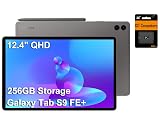
If a family buys only one connected travel gadget, it should be a high-quality tablet with cellular connectivity and offline capabilities.
This single device solves multiple road-trip problems at once.
Modern tablets now function as:
- entertainment hubs
- educational platforms
- travel planners
- gaming systems
- navigation backups
- creative workstations
- digital travel journals
That versatility makes them the most valuable gadget for long-distance travel.
For families with children, tablets help transform downtime into interactive learning opportunities. Kids can explore geography apps, wildlife guides, language-learning programs, museum tours, and educational games tied directly to travel destinations.
In practice, this keeps passengers engaged without relying entirely on passive screen time.
The best road-trip tablets also integrate seamlessly with smart cars through Apple CarPlay, Android Auto, Bluetooth audio, Wi-Fi hotspots, and rear-seat display systems.
Why It Stands Out
Unlike single-purpose gadgets, tablets adapt to almost every travel scenario.
They support:
- downloaded movies for offline viewing
- audiobooks and podcasts
- route planning
- weather tracking
- restaurant discovery
- campsite reservations
- photo editing
- remote work
Parents also benefit because tablets reduce the need to pack multiple separate entertainment devices.
 $499.99
 Buy on Amazon




Last update on 2026-09-24 / Affiliate links / Images from Amazon Product Advertising API
2. Portable Power Stations
Long road trips involve constant charging demands. Phones, tablets, cameras, handheld gaming systems, drones, headphones, and smartwatches can drain vehicle charging ports quickly.
Portable power stations solve this problem elegantly.
Unlike basic battery packs, modern power stations support:
- multiple USB-C devices
- AC wall outlets
- laptops
- portable projectors
- camera batteries
- mini coolers
- emergency backup charging
This becomes especially valuable during camping trips, national park travel, or remote destinations.
The best units also recharge directly from the vehicle while driving.
Why Families Love Them
Power stations eliminate charging anxiety during long travel days.
Parents no longer need to rotate devices constantly between charging cables or argue over available ports.
That convenience matters more than many buyers expect.


Last update on 2026-09-24 / Affiliate links / Images from Amazon Product Advertising API
3. Noise-Canceling Wireless Headphones
Noise fatigue becomes a serious issue during long drives.
Children watch movies. Parents take calls. Navigation systems provide directions. Music competes with road noise. After several hours, the cabin can become mentally exhausting.
Noise-canceling headphones dramatically improve comfort for everyone inside the vehicle.
Modern premium models now support:
- spatial audio
- multi-device pairing
- long battery life
- voice assistants
- educational listening apps
- offline media playback
For children, headphones create quieter, more focused entertainment experiences. For adults, they provide moments of calm during long stretches of highway driving.
That balance helps reduce travel stress significantly.
Educational Advantage
Families increasingly use headphones for:
- language learning
- travel podcasts
- history documentaries
- audiobooks
- guided meditation
- museum audio tours
This turns otherwise repetitive driving hours into productive learning time.
 $99.99
Buy on Amazon
$99.99
Buy on Amazon


Last update on 2026-09-24 / Affiliate links / Images from Amazon Product Advertising API
4. Portable Smart Projectors
Portable projectors have quietly become one of the most exciting family travel gadgets available today.
These compact devices allow families to create outdoor movie nights almost anywhere.
At campsites, cabins, beaches, RV parks, or national parks, projectors can transform evenings into memorable shared experiences.
Modern models now include:
- built-in streaming apps
- battery power
- Bluetooth speakers
- Wi-Fi connectivity
- smartphone casting
- auto-focus systems
Where this gets interesting is education.
Families can stream:
- astronomy apps
- wildlife documentaries
- travel guides
- historical content
- educational YouTube channels
directly beside the destinations they are exploring.
That creates stronger emotional connections to the trip itself.
Why They Stand Out
Portable projectors create experiences rather than simple entertainment.
Children often remember outdoor movie nights more vividly than the actual drive.


Last update on 2026-09-24 / Affiliate links / Images from Amazon Product Advertising API
Final Recommendation
If one gadget deserves the spotlight for modern road-tripping families, it is the connected tablet.
No other device combines:
- entertainment
- education
- navigation
- productivity
- communication
- travel planning
- offline access
into a single portable system so effectively.
That flexibility makes it the smartest investment for families looking to improve both convenience and enjoyment during long-distance travel.
The best road trips today no longer depend solely on the destination. They depend on how connected, comfortable, and engaging the journey becomes along the way.
Affiliate Disclosure
GadgetGram may earn a small commission if you purchase through links on this page. This helps support our independent testing and editorial work. We only recommend products we’ve researched or tested ourselves, and our opinions remain unbiased regardless of affiliate relationships.