Samsung T9 Portable SSD Review
Portable storage often becomes the weakest part of a modern workflow. Large video files, game libraries, client backups, and creative assets continue growing, while many external drives still bottleneck transfers. The Samsung T9 Portable SSD targets that exact problem with ultra-fast transfer speeds, rugged portability, and creator-focused reliability.
Samsung positions the Samsung T9 Portable SSD as a premium external SSD for professionals, creators, gamers, and power users who regularly move massive amounts of data. This review takes a deeper look at how the drive performs in real-world use, where it stands against competing portable SSDs, and whether its premium pricing actually makes sense for demanding workflows.
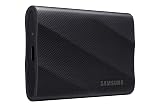

Last update on 2026-09-22 / Affiliate links / Images from Amazon Product Advertising API
 The Samsung T9 Portable SSD Focuses on Sustained Speed
 The Samsung T9 Portable SSD Focuses on Sustained Speed
Most external SSD marketing revolves around peak speeds. Real-world performance tells a very different story.
The Samsung T9 Portable SSD uses a USB 3.2 Gen 2×2 interface capable of delivering up to 2,000MB/s sequential read and write speeds. Samsung also uses NVMe architecture internally instead of relying on slower SATA-based storage approaches. That matters because NVMe allows the drive to sustain much higher throughput during demanding file transfers.
In practice, this dramatically changes large transfer workflows.
For example, transferring a 120GB 4K video project to a slower portable SSD can easily take several minutes. The Samsung T9 Portable SSD cuts that wait time significantly when paired with a compatible USB 3.2 Gen 2×2 port. Large RAW photo libraries, high-bitrate footage, and system backups move fast enough to feel almost internal-drive-like.
Here is where it stands out.
Many portable SSDs advertise impressive peak speeds, then throttle heavily during extended transfers. Independent testing showed the Samsung T9 Portable SSD maintaining much stronger sustained speeds than many competitors after its cache fills. Some competing drives fall below 500MB/s during longer writes, while the T9 continues operating closer to 900MB/s during heavy workloads.
That consistency matters more than flashy benchmark screenshots.
Content creators editing 4K or even 8K footage benefit immediately because sustained transfers reduce downtime during backups and media offloads. Consultants handling large presentations, photographers transferring wedding shoots, and developers carrying virtual machine environments all feel the difference.
The catch involves compatibility.
You only unlock the full 2,000MB/s performance if your laptop or desktop supports USB 3.2 Gen 2×2. Many systems still cap external storage at 10Gbps instead of 20Gbps. On unsupported systems, the Samsung T9 Portable SSD still performs very well, but you will not see its maximum potential.
That limitation does not make the drive bad. It simply means buyers should confirm their port capabilities before paying for premium speed.
Design and Build Quality Feel Premium Without Looking Flashy
Samsung kept the physical design understated.
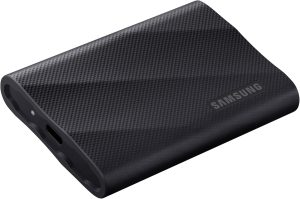
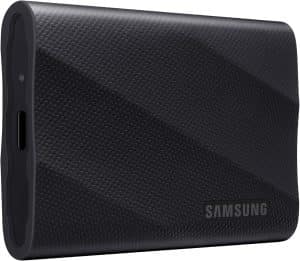
The Samsung T9 Portable SSD avoids aggressive gaming aesthetics and flashy RGB lighting. Instead, Samsung uses a compact black chassis wrapped in a textured rubberized exterior. The design feels closer to professional camera gear than consumer electronics.
That choice works well.
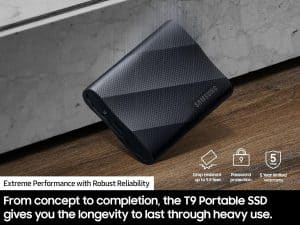
The rubber coating improves grip while also helping absorb impacts during travel. Samsung rates the drive for drop resistance up to three meters, which adds useful peace of mind for commuters, travelers, and mobile creators. (pcgamesn.com)
The drive measures roughly 88 x 60 x 14mm and weighs about 122 grams. It fits easily into a laptop sleeve, tech pouch, or jacket pocket without adding noticeable bulk.
In practice, the texture also helps during desk use.
Many smooth metal SSDs slide around when connected to stiff USB-C cables. The Samsung T9 Portable SSD stays planted more effectively on desks and editing stations.
Thermals also deserve attention.
Portable SSDs generate heat during large transfers, especially at 20Gbps speeds. Samsung includes Dynamic Thermal Guard technology to manage temperatures and maintain performance stability under sustained workloads. This helps prevent severe thermal throttling during long backup sessions or extended editing work.
The trade-off involves environmental protection.
Unlike the Samsung T7 Shield, the Samsung T9 Portable SSD does not include a formal IP rating for dust or water resistance. That omission matters for outdoor creators, travel photographers, or field production teams working in unpredictable environments.
The drive feels durable, but it does not offer the same level of weather sealing as some rugged competitors.

Real-World Creator Workflows Benefit the Most
The Samsung T9 Portable SSD feels purpose-built for creator workflows.
Video editors represent the clearest target audience.
Modern cameras generate enormous files. A single day of shooting can produce hundreds of gigabytes of footage. Waiting on backups slows editing pipelines, delays uploads, and creates unnecessary friction during production.
This drive addresses that directly.
Testing consistently shows the Samsung T9 Portable SSD handling sustained large transfers better than many competing USB 3.2 Gen 2×2 drives. (pcgamer.com) That makes a real difference during:
- 4K and 8K video editing
- RAW photo archiving
- Podcast production backups
- Multi-camera event coverage
- Portable game library transfers
- Large software deployment files
- Virtual machine storage
For hybrid workers, the advantages extend beyond creative work.
A consultant carrying client presentations, encrypted business documents, and cloud backups can move files rapidly between systems without relying entirely on internet access. Students managing engineering software or media-heavy coursework also benefit from the speed increase.
Gamers gain advantages too.
The Samsung T9 Portable SSD works well for large Steam libraries, console game storage, and portable gaming setups. Fast load speeds help reduce installation and transfer times substantially compared to traditional external hard drives.
That said, gaming benefits vary.
Many games still depend more heavily on internal SSD speeds than external throughput. Casual players may not notice a massive difference between the Samsung T9 Portable SSD and cheaper 10Gbps external SSDs.
Heavy file movers will notice immediately.
Connectivity and Compatibility Stay Broad
Samsung designed the Samsung T9 Portable SSD to work across multiple ecosystems.
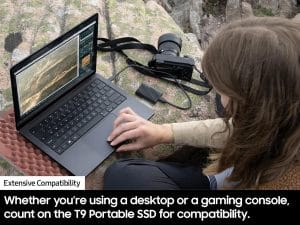
The drive supports Windows, macOS, Android devices, gaming consoles, tablets, and compatible cameras. Samsung even includes both USB-C to USB-C and USB-C to USB-A cables in the box, which improves flexibility immediately.
That matters because many external SSDs now ship with only USB-C cables.
Users with older desktops or mixed-device setups often need adapters or extra accessories. Samsung avoids that frustration.
The Samsung Magician software also adds useful management tools.
Users can monitor firmware updates, drive health, and security settings through Samsung’s software platform. While not everyone will use these features daily, they add long-term value for professional users managing important client or production files.
Security remains another strong point.
The Samsung T9 Portable SSD supports AES 256-bit hardware encryption. That level of encryption matters for:
- Business travelers
- Financial consultants
- Legal professionals
- Healthcare workflows
- Freelancers handling client data
- Teams managing sensitive production assets
Hardware encryption protects files without creating the same performance penalties that software encryption can introduce.

The Samsung T9 Portable SSD Competes in a Crowded Premium Market
Portable SSD competition has become intense.
Samsung no longer dominates external storage automatically simply because of brand recognition. Buyers now have strong alternatives from SanDisk, Crucial, Kingston, Lexar, Corsair, and ADATA.
That makes positioning important.
The Samsung T9 Portable SSD sits firmly in the premium category. Buyers can absolutely find cheaper external SSDs with respectable performance. The question becomes whether Samsung’s consistency, software ecosystem, and sustained throughput justify the higher cost.
Against the Samsung T7 Shield
The T7 Shield remains one of the best-balanced portable SSDs for rugged outdoor use. It offers lower maximum speeds around 1,000MB/s but includes IP65 dust and water resistance.
Buy the T7 Shield if durability matters more than peak transfer speed.
Buy the Samsung T9 Portable SSD if sustained creator workloads and faster transfer rates matter more.
Against the SanDisk Extreme Pro
SanDisk’s Extreme Pro portable SSD line competes directly on speed and ruggedness. Some versions offer similar throughput while also including stronger environmental protection.
However, Samsung’s sustained performance behavior often appears more stable during extremely large file transfers. Samsung’s software experience also feels cleaner and more polished.
Against the Crucial X9 Pro
The Crucial X9 Pro offers strong value and excellent everyday portability. It generally costs less while still delivering fast real-world performance.
The trade-off comes down to workflow intensity.
Casual users and everyday professionals may find the Crucial drive more cost-effective. Heavy editors and creators moving hundreds of gigabytes regularly will benefit more from the Samsung T9 Portable SSD.
Against USB4 Drives
USB4 external SSDs now push far beyond 2,000MB/s. Some models approach 3,000MB/s to 4,000MB/s under ideal conditions.
The problem involves ecosystem readiness.
USB4 accessories still cost more, and many users lack compatible ports. For buyers without USB4 hardware, the Samsung T9 Portable SSD currently occupies a practical sweet spot between price, compatibility, portability, and speed.
Things to Consider Before Buying
The Samsung T9 Portable SSD gets many things right, but buyers should still understand the trade-offs.
First, the premium pricing can feel difficult to justify for casual users.
If you mainly store documents, occasional photos, or light backups, a slower 10Gbps external SSD likely provides enough performance at a lower price.
Second, port compatibility matters heavily.
Without USB 3.2 Gen 2×2 support, you will not experience the drive’s headline speeds. Many mainstream laptops still lack full 20Gbps support.
Third, the lack of an IP rating limits its rugged appeal slightly.
The Samsung T9 Portable SSD survives drops well, but it does not provide official dust or water resistance protection like some competing rugged SSDs.
Finally, creators who already invested in Thunderbolt or USB4 ecosystems may eventually want even faster external storage solutions.
That said, most users still do not saturate USB4 workflows consistently enough to make the jump necessary.
Who Should Buy the Samsung T9 Portable SSD?
The Samsung T9 Portable SSD fits a very specific type of buyer.
This drive makes the most sense for users who:
- Transfer massive files regularly
- Edit video or large creative assets
- Need portable workstation-grade storage
- Want strong sustained write performance
- Move between multiple devices frequently
- Prioritize reliability over budget pricing
- Need encrypted portable storage
The drive especially shines for:
- YouTubers
- Videographers
- Photographers
- Hybrid workers
- Creative agencies
- Developers
- Gamers with large libraries
- Consultants managing large client datasets
Casual users may struggle to justify the cost.
Power users likely will not.
Final Verdict
The Samsung T9 Portable SSD succeeds because it solves a real productivity problem instead of chasing marketing gimmicks.
Fast external storage matters more than ever. Video files continue growing. Game installs keep expanding. Hybrid work increases the need for portable, reliable storage that can move quickly between devices.
Samsung delivers exactly that.
The Samsung T9 Portable SSD combines excellent sustained performance, premium build quality, broad compatibility, and creator-focused reliability into one compact package. Its USB 3.2 Gen 2×2 interface unlocks genuinely impressive transfer speeds for supported systems, while Samsung’s thermal management helps maintain consistency under pressure.
The drive is not perfect.
The premium pricing narrows its audience, and the lack of official water or dust resistance slightly weakens its rugged credentials. Buyers also need compatible hardware to fully unlock its performance ceiling.
Still, for creators, professionals, and serious power users, the Samsung T9 Portable SSD stands among the best premium portable SSDs currently available.
It does not just benchmark well.
It keeps demanding workflows moving.
Affiliate Disclosure
GadgetGram may earn a small commission if you purchase through links on this page. This helps support our independent testing and editorial work. We only recommend products we’ve researched or tested ourselves, and our opinions remain unbiased regardless of affiliate relationships.