When people lose their keys, backpacks, or luggage, the problem usually starts small and turns frustrating fast. The Apple AirTag vs Chipolo POP comparison matters because both products promise simple tracking without complicated setup or expensive subscriptions. They also target very different users once you look beyond the marketing.
Apple positions the AirTag as a premium extension of the Apple ecosystem. Chipolo takes a broader approach with the POP by supporting both Apple Find My and Google Find My Device compatibility. That difference shapes almost every part of the ownership experience, from tracking reliability to daily convenience. This review breaks down how both trackers perform in real-world conditions and which buyers benefit most from each option.


Last update on 2026-10-15 / Affiliate links / Images from Amazon Product Advertising API
Apple AirTag vs Chipolo POP: Why This Comparison Matters
Bluetooth trackers have matured quickly over the last few years. Early trackers worked within limited Bluetooth range and struggled once an item moved farther away. Today, these devices rely on massive crowdsourced networks made up of smartphones that quietly help locate lost items.
That matters because the network often matters more than the hardware itself.
Apple currently operates the largest tracking ecosystem through Find My. Hundreds of millions of active Apple devices contribute anonymous location pings. In practice, that gives AirTag an enormous advantage in dense cities, airports, offices, hotels, and public transportation systems.
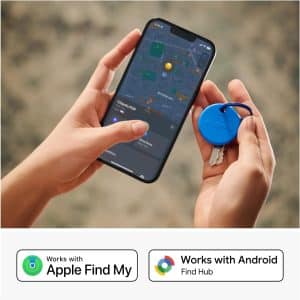
Chipolo POP enters the market with a more flexible strategy. Instead of locking users into one ecosystem, it supports both Apple Find My and Google Find My Device. That flexibility immediately makes it attractive for Android households, mixed-device families, and users who switch platforms regularly.
The trade-off comes down to ecosystem strength versus platform flexibility.
Design and Everyday Carry Experience
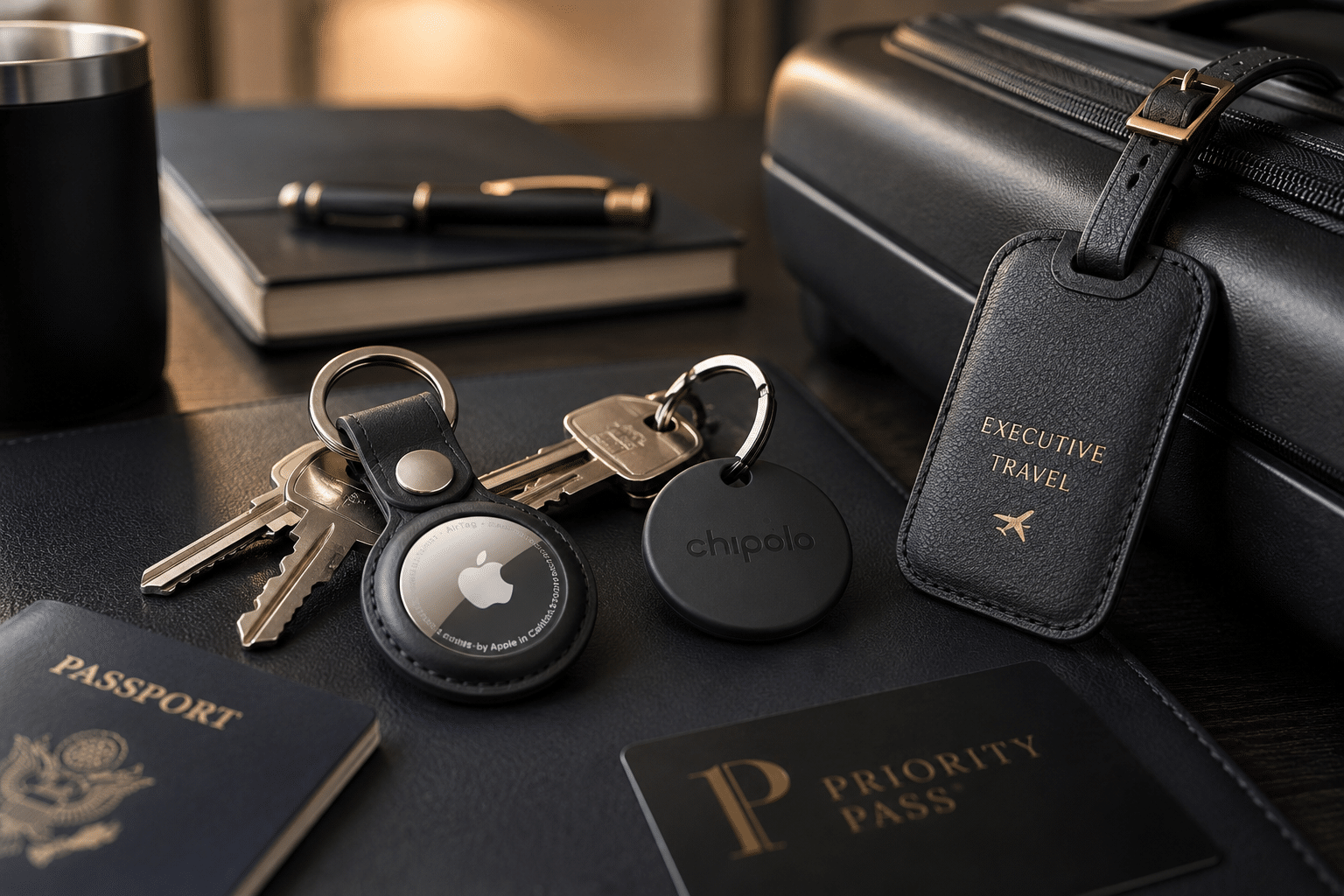
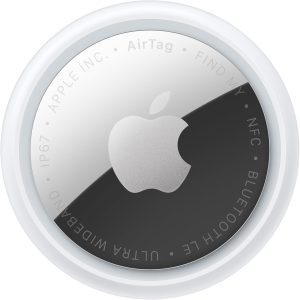
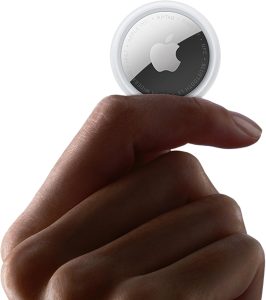
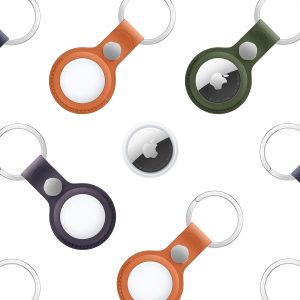
Apple designed the AirTag with a polished minimalist aesthetic. It looks like a small white coin with a stainless steel back plate. The materials feel premium immediately. The polished metal adds durability, but it also attracts fingerprints and scratches quickly.
One important detail stands out immediately. The AirTag has no built-in keyring hole.
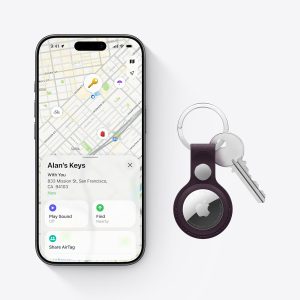
That means most users must purchase an accessory or holder before attaching it to keys, bags, or luggage. Apple sells official accessories, but many third-party options exist at lower prices. Still, this adds hidden ownership cost that buyers should consider upfront.
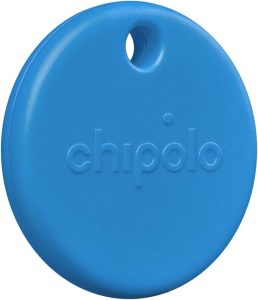
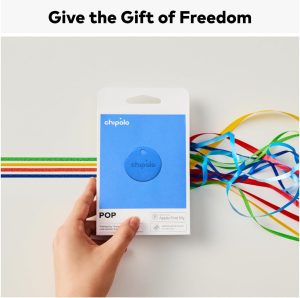
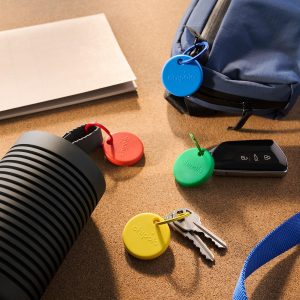
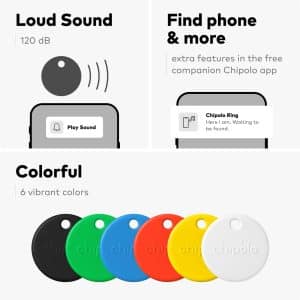
Chipolo POP takes a more practical approach. It includes an integrated keyring hole directly in the tracker body. That sounds minor until you actually use it daily. You can attach the POP to keys immediately without buying anything extra.
The POP also comes in multiple bright colors. Apple sticks with its signature white-and-silver finish, while Chipolo offers more expressive designs that make items easier to identify visually.
In practice, the POP feels more casual and utility-focused. The AirTag feels more refined and premium.
Size differences also affect portability. The AirTag feels denser and heavier due to the stainless steel construction. The POP feels lighter in pockets, backpacks, and travel pouches.
For travelers, students, and commuters carrying multiple trackers, that weight difference becomes noticeable over time.
Tracking Technology and Network Coverage
This section defines the entire Apple AirTag vs Chipolo POP debate.
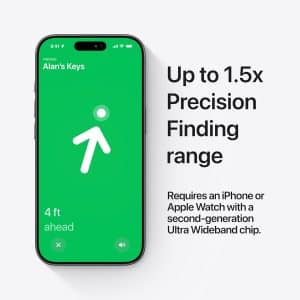
AirTag uses Apple’s Find My network alongside Ultra Wideband technology on compatible iPhones. Ultra Wideband allows highly precise directional tracking when users get physically close to an item. Instead of simply showing general distance, the iPhone can point users toward the exact location using arrows and distance indicators.
Here is where the AirTag stands out dramatically.
If you lose keys under couch cushions, inside a cluttered office, or in a crowded airport lounge, Precision Finding feels almost futuristic. The interface guides users directly toward the tracker with impressive accuracy.
Chipolo POP does not include Ultra Wideband support.
Instead, it relies on traditional Bluetooth proximity detection combined with crowdsourced tracking networks. That still works well for many situations, especially general item recovery, but it lacks the precise directional guidance AirTag users receive.
Network coverage also creates a major difference.
Apple’s Find My network remains the strongest tracking network available today. Its scale provides faster and more reliable updates in most urban environments. If a lost bag moves through an airport or train station, AirTag often updates location data quickly because so many Apple devices participate in the network.
Google’s Find My Device network continues improving rapidly, but it still trails Apple’s maturity and consistency in some regions.
That said, Chipolo POP gains flexibility by supporting Android users directly. AirTag technically works only inside Apple’s ecosystem. Android users lose access to setup, Precision Finding, and full functionality.
For mixed-device households, the POP solves a real problem.
Precision Finding and Real-World Accuracy
Precision tracking matters most when users already know the general area of a missing item.
AirTag dominates this category because of Ultra Wideband integration. Compatible iPhones can display directional arrows, distance measurements, and haptic guidance that lead directly toward the tracker.
That experience changes how users interact with lost-item recovery.
Instead of walking around randomly waiting for Bluetooth strength changes, users receive active navigation guidance. For example, finding misplaced keys in a dark hotel room becomes dramatically easier.
Chipolo POP focuses more on practical Bluetooth range detection. The app shows relative proximity, but it lacks directional awareness.
That sounds like a disadvantage because it is one in close-range recovery scenarios.
However, the POP compensates with a louder built-in speaker in many situations. Audible alerts matter more than many buyers realize. A louder chime often helps users locate hidden items faster than visual tracking alone, especially inside bags, laundry piles, or car interiors.
In practice, AirTag feels technologically superior. The POP feels simpler but still effective.
Location refresh speed also matters.
AirTag typically delivers faster location updates in busy public areas due to Apple’s larger network density. That becomes important for luggage tracking during flights or crowded travel situations.
Frequent travelers benefit heavily from this advantage.
Privacy, Alerts, and Security Features
Bluetooth trackers created understandable privacy concerns when companies introduced large-scale tracking networks. Both Apple and Chipolo now include anti-stalking protections, but Apple currently offers the more mature implementation.
AirTag includes automatic alerts when an unknown tracker travels with someone over time. iPhones can detect suspicious AirTags nearby and notify users proactively. Apple also added Android scanning support so non-iPhone users can identify unknown AirTags around them.
That matters because tracker misuse became a major concern shortly after launch.
Apple invested heavily in privacy protections and encrypted location sharing. The company processes location information anonymously and avoids exposing user identity to tracker owners.
Chipolo POP also supports anti-stalking protections through both Apple and Google ecosystems. However, effectiveness depends partly on the underlying network being used.
Google has improved unwanted tracker detection significantly, but Apple still maintains a stronger reputation for privacy consistency across its ecosystem.
For corporate travelers, consultants, and professionals carrying sensitive equipment, privacy reliability matters as much as tracking performance.
Battery Life, Durability, and Long-Term Ownership
Both trackers use replaceable coin-cell batteries rather than rechargeable systems.
That decision benefits long-term ownership because users avoid battery degradation problems common with rechargeable gadgets. Most buyers can expect roughly one year of battery life depending on usage patterns, alert frequency, and network activity.
Replacing the battery takes only a few seconds on both devices.
AirTag uses a CR2032 battery, which remains inexpensive and widely available. Chipolo POP also uses a replaceable battery design, helping reduce long-term maintenance cost.
Durability differences appear in construction philosophy.
The AirTag feels more premium because of its stainless steel casing, but the glossy surface scratches easily. Over time, many AirTags develop visible wear from keys, bags, and daily friction.
Chipolo POP feels less luxurious but more practical for rough handling.
Water resistance matters for luggage, outdoor use, and commuting. Both devices offer protection against splashes and light environmental exposure, though buyers should still avoid prolonged water immersion whenever possible.
Long-term ownership costs also differ because AirTag users almost always purchase accessories separately. Chipolo POP includes immediate attachment capability without extra spending.
That makes the POP more budget-friendly upfront.
Which Tracker Works Best for Different Users
The best choice depends heavily on the ecosystem surrounding the user.
Apple AirTag works best for:
- iPhone users
- Frequent travelers
- Users wanting Precision Finding
- Buyers prioritizing tracking accuracy
- Professionals already invested in Apple devices
The AirTag especially excels for luggage tracking, urban commuting, and high-density public environments. Apple’s network advantage creates meaningful real-world benefits in these scenarios.
Chipolo POP works best for:
- Android users
- Mixed-device households
- Budget-conscious buyers
- Users wanting built-in keyring support
- Buyers prioritizing simplicity and flexibility
That flexibility becomes important for families where some users own iPhones while others use Android devices. Instead of maintaining separate tracking ecosystems, the POP supports broader compatibility.
For students, creators, and entrepreneurs switching devices regularly, that flexibility reduces friction.
Price also matters in this Apple AirTag vs Chipolo POP comparison.
AirTag typically delivers stronger technical performance, but total ownership cost rises once accessories enter the equation. Chipolo POP often provides a more complete package immediately out of the box.
Final Verdict: Apple AirTag vs Chipolo POP
The Apple AirTag vs Chipolo POP comparison ultimately comes down to ecosystem priorities.
AirTag remains the strongest overall tracker for Apple users. Precision Finding, massive Find My network coverage, and exceptional tracking reliability give it a clear technical edge. If you already use an iPhone daily, AirTag delivers the most polished experience available today.
That advantage becomes especially obvious during travel, airport transfers, and crowded public environments.
Chipolo POP succeeds by solving a different problem. It offers broader compatibility, simpler attachment design, and practical everyday usability without locking users into one ecosystem. Android users gain far more value from the POP than they would from an AirTag.
For mixed-platform households, the POP may actually be the smarter long-term choice.
Neither tracker feels universally better because they target different ownership experiences. AirTag prioritizes maximum technical capability inside Apple’s ecosystem. Chipolo POP prioritizes flexibility and accessibility across platforms.
The best tracker depends less on the tracker itself and more on the devices already in your pocket.
Brand voice and editorial framework aligned with the GadgetGram Brand Guide.
Affiliate Disclosure
GadgetGram may earn a small commission if you purchase through links on this page. This helps support our independent testing and editorial work. We only recommend products we’ve researched or tested ourselves, and our opinions remain unbiased regardless of affiliate relationships.