The modern home depends on electricity more than ever, yet outages still happen without warning. The EcoFlow DELTA 2 portable power station solves a problem many people only notice when the lights go out. It delivers quiet, clean backup power without gasoline, fumes, or the constant noise of a traditional generator.
Portable power stations used to feel niche. Today, they sit alongside essential home gadgets because they support everything from emergency prep to camping weekends and garage projects. The EcoFlow DELTA 2 enters that space as a premium mid-range option built for people who want real capacity, fast charging, and modern battery technology without stepping into oversized whole-home systems.
Here is where the EcoFlow DELTA 2 stands out. It balances portability and serious output better than most competitors near its price range. That matters because many battery stations force buyers into compromises. Smaller models lack power for appliances. Larger models become difficult to move. EcoFlow aims directly at the middle ground.


Last update on 2026-10-13 / Affiliate links / Images from Amazon Product Advertising API
Why the EcoFlow DELTA 2 Matters Right Now
The portable power category exploded after severe weather events, remote work growth, and rising interest in off-grid travel. At the same time, traditional generators still create several problems. They require fuel storage, regular maintenance, and outdoor operation because of carbon monoxide risks.
The EcoFlow DELTA 2 portable power station removes most of those pain points. It operates silently compared to gas generators and produces zero emissions during use. You can safely run it inside a garage, office, apartment, RV, or tent setup.
That flexibility changes how people use backup power. Instead of sitting unused for years, portable power stations now support daily activities. Some owners use them during blackouts. Others keep them ready for tailgates, van life, outdoor photography, or DIY workstations.
In practice, this device feels less like emergency gear and more like a modern utility gadget.
 Design and Build Quality
EcoFlow designed the DELTA 2 with practicality first. The unit weighs around 27 pounds, which places it between ultra-portable entry models and heavier high-capacity systems. Most adults can carry it comfortably with one hand, though longer walks benefit from using both handles.
The gray industrial design looks clean without appearing overly rugged. That matters because many users store power stations inside living spaces rather than garages. The matte finish also hides fingerprints and scratches well during travel.
The front-facing display remains one of the strongest usability features. It clearly shows battery percentage, input wattage, output wattage, charging estimates, and remaining runtime. During outages, this information becomes extremely useful because users can immediately see how long devices will continue running.
EcoFlow also separates ports logically. AC outlets stay grouped together while USB and DC outputs sit in their own dedicated zones. This layout prevents cable clutter during multi-device charging sessions.
Ventilation design deserves attention too. Battery stations generate heat during high-output use and rapid charging. EcoFlow manages thermals effectively without producing excessive fan noise during lighter workloads.
The overall build feels durable enough for regular travel, tailgates, campsites, and garage use. It does not feel fragile or overly plastic-heavy.
 EcoFlow DELTA 2 Performance in Real Use
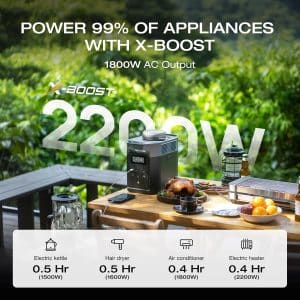
Performance determines whether a portable power station becomes genuinely useful or simply expensive emergency gear. The EcoFlow DELTA 2 portable power station performs exceptionally well in real-world situations because of its 1800W AC output and 2700W surge capacity.
That power level matters because it supports appliances many smaller units cannot handle. You can comfortably run refrigerators, coffee makers, microwaves, power tools, desktop PCs, gaming consoles, and electric grills within reasonable limits.
For example, during a blackout, the DELTA 2 can keep a full-size refrigerator running for several hours while still powering phones and internet equipment. That becomes especially valuable for families working remotely during storms.
Campers benefit differently. Instead of limiting usage to lights and phones, users can run induction cooktops, portable fridges, projectors, or electric pumps without constant battery anxiety.
DIY users also gain flexibility. Garage projects often require portable lighting, drills, saws, compressors, or charging stations. The DELTA 2 handles intermittent tool loads better than smaller recreational battery packs.
Here is where the inverter quality matters. Cheap power stations sometimes struggle with sensitive electronics. EcoFlow delivers stable pure sine wave output, which protects laptops, monitors, networking gear, and camera equipment.
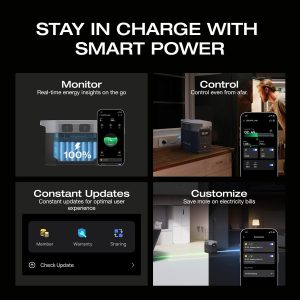
The EcoFlow app adds another layer of convenience. Users can monitor battery status remotely, customize charging speeds, and manage firmware updates from a smartphone. The interface remains simple enough for beginners while still offering deeper control for advanced users.
 Charging Speed and Battery Technology
Charging speed changes the entire ownership experience for portable power stations. Slow charging creates frustration during emergencies because users cannot replenish power quickly between outages.
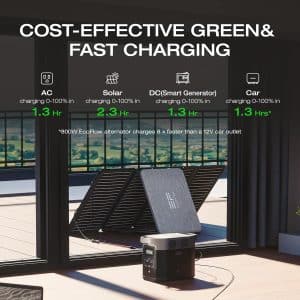
The EcoFlow DELTA 2 portable power station solves this with one of the fastest charging systems in its class. EcoFlow claims roughly 0 to 80% charging in around 50 minutes using AC input.
In practice, that speed feels dramatic compared to older lithium generators that required five to eight hours. If weather warnings arrive suddenly, users can rapidly top off the battery before losing power.
That matters because preparation windows are often short.
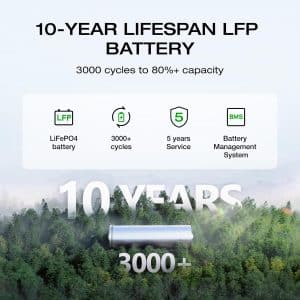
Battery chemistry also deserves attention. EcoFlow uses LFP battery technology, also called lithium iron phosphate. This chemistry lasts significantly longer than traditional lithium-ion systems commonly found in older portable stations.
EcoFlow rates the DELTA 2 for around 3000 charge cycles before dropping to 80% capacity. For many households, that translates into years of regular use.
The trade-off involves slightly increased weight compared to some older battery types. However, the durability benefits outweigh that compromise for most buyers.
Solar charging support expands flexibility further. Users can connect compatible solar panels for off-grid charging during camping trips or extended outages. This transforms the DELTA 2 into a practical solar generator system rather than just a rechargeable battery.
That feature especially appeals to RV owners and emergency-preparedness buyers who want longer-term energy independence.
 Ports, Connectivity, and Ecosystem Support
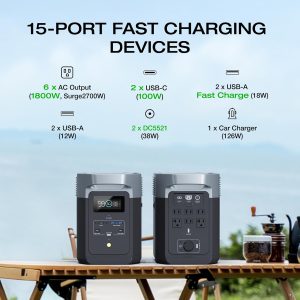
Port selection often determines whether a power station feels convenient or restrictive. The EcoFlow DELTA 2 portable power station offers enough variety to support modern households without adapters everywhere.
Users get multiple AC outlets alongside USB-A, USB-C, DC outputs, and car charging support. The high-speed USB-C ports work particularly well for creators and professionals using laptops, tablets, cameras, and drones.
That matters because USB-C power delivery now powers many premium devices directly.
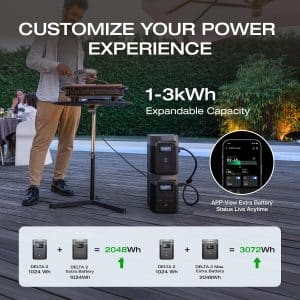
EcoFlow also built a larger ecosystem around the DELTA series. Buyers can expand capacity with additional battery packs if their needs grow later.
This modular design creates a major advantage over disposable entry-level stations. Instead of replacing the entire system, users can scale gradually.
For example, someone may initially buy the DELTA 2 for camping. Later, they might expand it for more serious home backup coverage.
The Wi-Fi and Bluetooth app integration also improves long-term usability. Many competing units still rely entirely on physical controls and limited displays.
 Camping, Emergencies, and Garage Use Cases
The EcoFlow DELTA 2 portable power station succeeds because it adapts to multiple lifestyles instead of serving one narrow purpose.
For campers, it replaces noisy generators while supporting modern conveniences. Portable refrigerators, LED lighting, electric grills, heated blankets, and projectors suddenly become realistic without campground hookups.
Tailgates benefit too. The DELTA 2 can power speakers, TVs, blenders, cooking appliances, and charging stations for hours.
Emergency preparedness remains the strongest argument, though.
During outages, households usually prioritize four categories:
- Refrigeration
- Communication
- Lighting
- Medical or work equipment
The DELTA 2 handles all four effectively for moderate durations.
That becomes especially important for remote workers. Losing power no longer means instantly losing internet, laptops, or office productivity.
DIY users represent another ideal audience. Garage projects often happen far from accessible outlets. Portable power removes extension-cord limitations while keeping indoor environments quiet and fume-free.
This is the gadget many people ignore until they experience a real outage. After that, the value becomes obvious almost immediately.
EcoFlow DELTA 2 vs Jackery and Bluetti Alternatives
The EcoFlow DELTA 2 portable power station competes directly against some of the most recognizable brands in portable energy.
The budget alternative, the Jackery Explorer 300, costs significantly less and works well for light camping or phone charging. However, it targets a completely different power class. Its lower output limits appliance compatibility heavily.
Buyers needing refrigerator support, power tools, or extended runtime will outgrow the Jackery quickly.
On the premium side, the Bluetti AC200MAX offers larger capacity and stronger long-duration backup performance. It suits buyers building more advanced home backup systems or extended RV setups.
The trade-off comes down to size and portability. The Bluetti weighs considerably more and costs more as well.
Here is where the DELTA 2 finds its sweet spot. It balances portability, charging speed, ecosystem support, and practical household power better than many direct rivals near the $999 range.
EcoFlow also maintains some of the best charging speeds in the category, which remains a major competitive advantage.
 Things to Consider Before Buying
No portable power station works perfectly for every buyer.
The EcoFlow DELTA 2 portable power station handles moderate appliance loads extremely well, but it cannot fully replace a whole-home generator during multi-day outages.
Heavy appliances like central air conditioning, electric dryers, or large heaters drain battery capacity quickly.
Battery runtime also depends entirely on usage patterns. Running a laptop and lights feels very different from running kitchen appliances continuously.
The fan system stays reasonably quiet under moderate loads, though higher-output charging sessions become more noticeable.
Price may also feel high for casual users. However, frequent discounts often make the DELTA 2 far more competitive than its MSRP suggests.
For buyers who only need occasional phone charging during camping trips, smaller units may provide better value.
Final Verdict
The EcoFlow DELTA 2 portable power station earns its popularity because it solves real-world problems without unnecessary complexity. It delivers fast charging, dependable output, modern battery chemistry, and practical portability in one polished package.
That balance makes it one of the strongest all-around portable power stations for most households today.
Campers gain quiet off-grid flexibility. DIY users get portable workshop power. Families receive reliable outage backup without gasoline or maintenance headaches.
Most importantly, the DELTA 2 feels approachable. Buyers do not need technical expertise to use it effectively.
In a category crowded with oversized specs and confusing claims, EcoFlow focuses on usability first. As a result, the DELTA 2 becomes more than emergency equipment. It becomes a genuinely useful everyday tech investment for modern life.
Official product information is available directly from EcoFlow and Amazon listings.
Affiliate Disclosure
GadgetGram may earn a small commission if you purchase through links on this page. This helps support our independent testing and editorial work. We only recommend products we’ve researched or tested ourselves, and our opinions remain unbiased regardless of affiliate relationships.