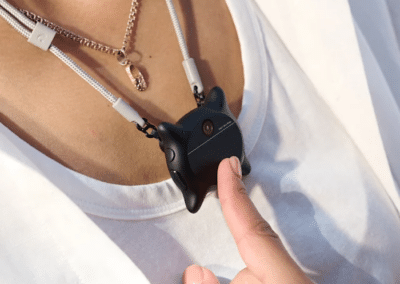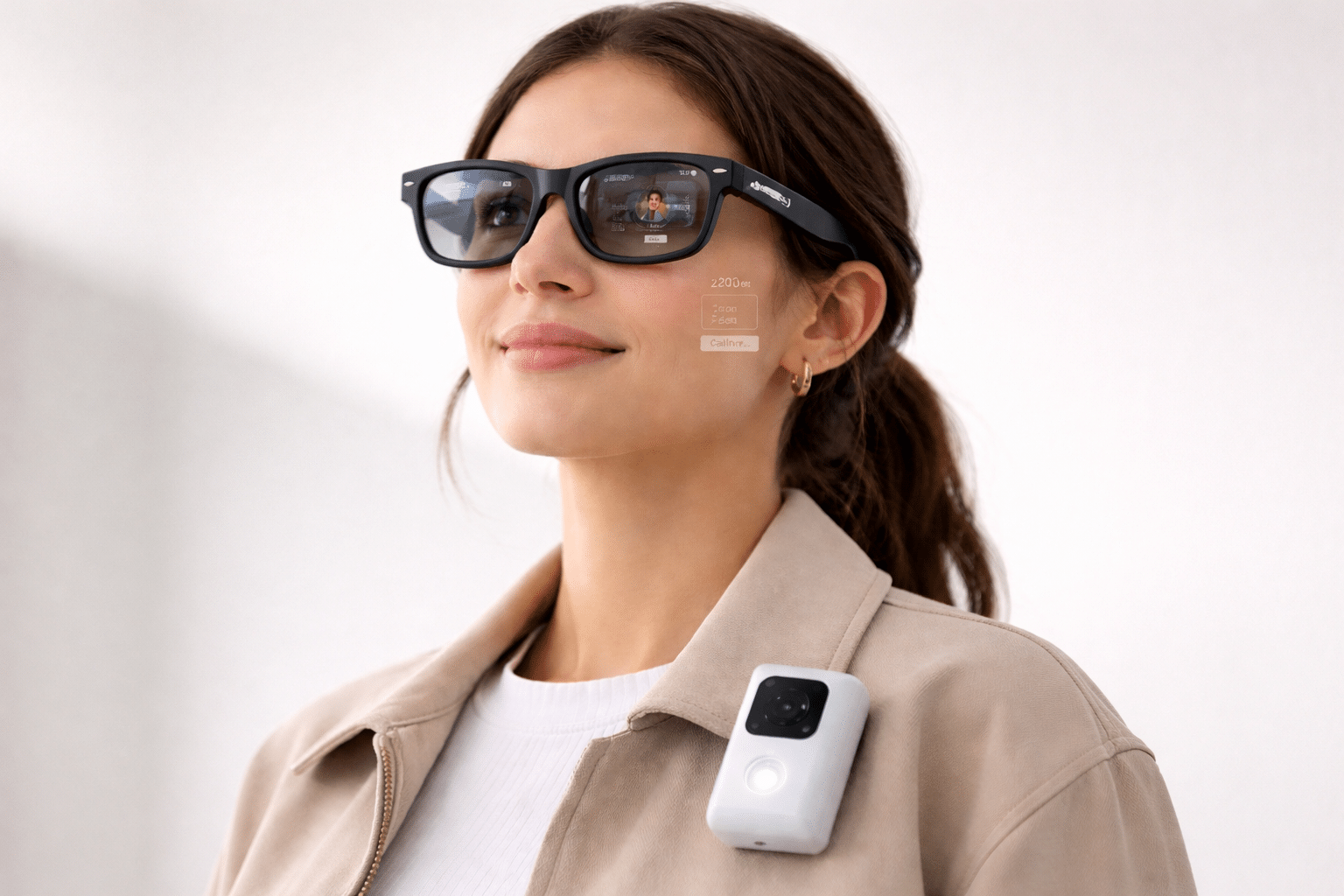
Today, post-phone devices and wearable technology is gaining importance. People may soon stop reaching for their phones dozens of times a day. A new wave of post-phone devices, including smart glasses and advanced wearables, aims to replace the smartphone as the center of daily life. This shift affects anyone who uses a phone, which means nearly everyone. It matters now because major tech companies have started to invest heavily in these devices, betting that screens in your pocket will give way to screens on your face or body. The promise sounds big, but trade-offs around privacy, cost, and real-world usefulness still raise serious questions.
What happened
Several companies pushed forward with post-phone devices over the past year. Meta expanded its Ray-Ban smart glasses with new AI features. Apple continues to develop spatial computing through Vision Pro. Startups like Humane and Rabbit launched wearable AI gadgets that aim to reduce phone use. Google also returned to smart glasses through new Android XR efforts. These announcements did not happen in isolation. They form a clear pattern. Tech companies now treat the smartphone as mature. Growth has slowed. Innovation has become incremental. So companies search for the next platform.
Who announced it and when
Meta rolled out updated smart glasses in late 2024 and expanded features into 2025. Apple introduced Vision Pro in 2024 and continues to refine its ecosystem. Humane launched its AI Pin in late 2023 and pushed updates through 2025. Rabbit introduced the R1 device in early 2024. Each company frames its product as part of a larger shift toward post-phone devices. They do not just sell hardware. They sell a new way to interact with technology.
Why it matters now
Smartphones dominate modern life, but they create friction. People check them too often. Notifications interrupt focus. Screens pull attention away from the real world. Post-phone devices aim to reduce that friction by blending technology into daily life. That idea sounds simple, but the impact runs deep. If post-phone devices succeed, they could reshape how people communicate, search, shop, and work. They could also shift power across the tech industry. App stores, mobile ads, and even social media could change form. Still, timing matters. AI has improved fast. Voice recognition now works better in noisy environments. On-device processing has become more efficient. These changes make post-phone devices more practical than they were a decade ago.
How post-phone devices work
Post-phone devices rely on three core technologies: ambient computing, AI assistants, and lightweight hardware.
- Ambient computing means devices stay present but not intrusive. A smart glass display might show directions only when needed. A wearable AI pin might respond only when you ask.
- AI assistants act as the main interface. Instead of tapping apps, users speak or gesture. The system interprets intent and completes tasks. This reduces the need for screens.
- Lightweight hardware makes all of this usable. Smart glasses must feel like normal glasses. Wearables must last all day on a charge. That creates strict limits on battery, heat, and processing power. For example, Meta’s glasses include cameras, microphones, and speakers. They connect to a phone for heavy tasks but handle basic functions locally. Humane’s AI Pin uses projection and voice to avoid a traditional screen.
These designs show a clear goal. Post-phone devices aim to remove the need to pull out a phone for simple actions.
Real performance and limits
The concept sounds strong, but real-world performance still falls short in many areas. Voice input works well for short tasks. It struggles with complex commands or noisy environments. Battery life remains a major constraint. Many post-phone devices last only part of a day with heavy use. Latency also matters. Users expect instant responses. If an AI assistant takes even a few seconds, the experience feels slow. That gap creates friction instead of removing it.
Accuracy presents another challenge. AI assistants still misinterpret commands. Even a small error rate can frustrate users quickly. These measurable limits show that post-phone devices have not yet matched the reliability of smartphones.
Privacy concerns
Post-phone devices raise new privacy risks. Smart glasses include cameras that can record at any time. Wearables often stay always on, listening for voice commands. This creates tension. Users want convenience, but bystanders may not want to be recorded. Companies must design clear signals to show when devices capture data.
Data storage adds another layer of risk. AI systems often process sensitive information. That includes messages, location data, and personal habits. If companies store or misuse that data, trust will drop fast. Regulators have started to watch closely. Privacy laws may shape how post-phone devices evolve.
Cost and accessibility
Price limits adoption. Many current post-phone devices cost hundreds or even thousands of dollars. Apple Vision Pro, for example, targets high-end users. This creates a gap. Early adopters may accept the cost, but mainstream users expect lower prices. Smartphones succeeded because they became affordable across income levels. Accessibility also matters. Wearables must work for different body types, vision needs, and abilities. If devices fail to adapt, they will not replace phones.
Comparison to past attempts
The idea of post-phone devices is not new. Google Glass tried and failed over a decade ago. Early smartwatches also struggled to find purpose. What changed now comes down to AI and design. AI makes interaction more natural. Hardware has become smaller and more efficient. Still, the core challenge remains the same. Devices must offer clear value. If they do not save time or reduce effort, people will not switch.
Market implications
The rise of post-phone devices could reshape the tech market in several ways.
- First, it could reduce dependence on app stores. If AI assistants handle tasks directly, users may not open apps as often. That could impact companies like Apple and Google, which earn revenue from app ecosystems.
- Second, advertising could change. Brands may need to target voice responses or visual overlays instead of mobile screens.
- Third, hardware competition may increase. New players can enter the market with specialized devices, not full smartphones. Investors already watch this space closely. Funding for wearable tech and AI hardware has grown steadily.
Cultural impact
Post-phone devices could change daily habits. People may spend less time looking down at screens. Social interactions could feel more natural if devices stay out of sight. At the same time, new behaviors may emerge. Talking to AI in public may become normal. Wearing cameras on your face may shift social norms. These changes will not happen overnight. Culture adapts slowly. But the direction seems clear.
Practical takeaways
- Consumers should watch for a few key signals before adopting post-phone devices.
- Battery life must improve. Devices need to last a full day under normal use.
- AI accuracy must reach near-perfect levels for common tasks.
- Privacy controls must become clear and trustworthy.
- Prices must drop to compete with smartphones.
- Right now, post-phone devices work best as companions, not replacements. They handle specific tasks well but cannot replace the full range of smartphone functions.
The bigger picture
The shift toward post-phone devices reflects a larger trend. Technology moves closer to the user. It becomes more personal and less visible. That trend brings both opportunity and risk. It can reduce friction and improve efficiency. It can also increase surveillance and dependency. Companies push forward because the potential rewards are huge. The next dominant platform could define the next decade of tech.
Still, history suggests caution. Not every new platform succeeds. Many ideas fade before reaching mass adoption. For now, post-phone devices remain in transition. They show promise, but they have not yet proven they can replace the smartphone.
Final thoughts
Post-phone devices aim to change how people interact with technology at a basic level. They promise less distraction and more seamless integration into daily life. But promise does not equal reality. Current devices still face clear limits in performance, privacy, and cost. The next few years will decide whether post-phone devices become the next major platform or remain a niche category. For now, they offer a glimpse of a future where the phone no longer sits at the center of everything.